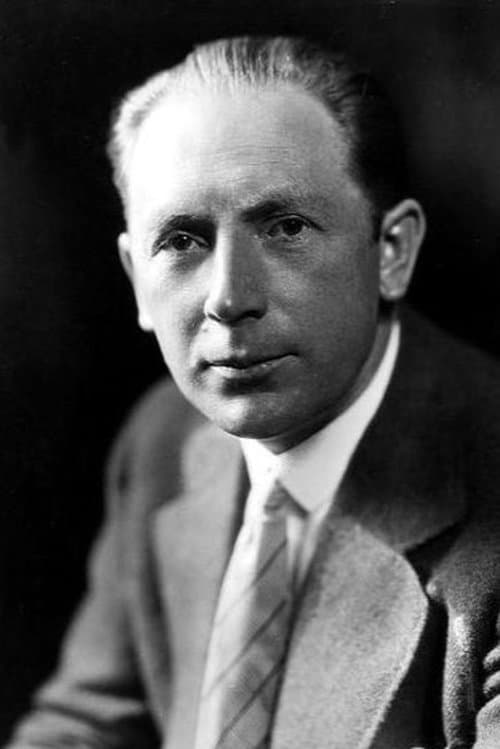
F. W. Murnau
Known for Directing · 6 credits
- Born
- 1888-12-28
- Died
- 1931-03-11
- Place of birth
- Bielefeld, North-Rhine-Westphalia, Germany
- Also known as
- Friedrich Wilhelm Plumpe · Friedrich Wilhelm Murnau · 프리드리히 빌헬름 무르나우 · F.W. 무르나우 · 프리드리히 무르나우 · Фрідріх Вільгельм Мурнау
Biography
Friedrich Wilhelm “F. W.” Murnau (December 28, 1888 – March 11, 1931) was one of the most influential German film directors of the silent era, and a prominent figure in the expressionist movement in German cinema during the 1920s. Although some of Murnau’s films have been lost, most still survive. While the horror film Nosferatu (1922) is his most famous work, the romantic melodrama Sunrise: A Song of Two Humans (1927) is his critically most acclaimed; the British Film Institute's 2012 Sight & Sound critics' poll named it the fifth-best film in the history of motion pictures. Murnau's characteristics are an atmospheric imagery and an innovative use of camera movement. Andrew Sarris in his influential book of film criticism The American Cinema: Directors and Directions 1929–1968 included him in the "pantheon" of the 14 greatest film directors who had worked in the United States.
Known For

Sunrise: A Song of Two Humans
1927
as Dancer (uncredited)
The Movie City of Hollywood
1928
as Self

The Film in the Film
1924
as Self
Los 5 Faust de F. W. Murnau
2002
as Himself (archive footage)

Murnau, Borzage and Fox
2008
as Self (archive footage) (uncredited)
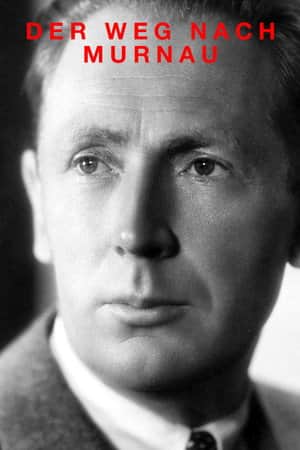
The Way to Murnau
2003
as Himself (archive footage)
Movies (6)
Sunrise: A Song of Two Humans
1927
as Dancer (uncredited)
The Movie City of Hollywood
1928
as Self
The Film in the Film
1924
as Self
Los 5 Faust de F. W. Murnau
2002
as Himself (archive footage)
Murnau, Borzage and Fox
2008
as Self (archive footage) (uncredited)
The Way to Murnau
2003
as Himself (archive footage)
About F. W. Murnau
Friedrich Wilhelm “F. W.” Murnau (December 28, 1888 – March 11, 1931) was one of the most influential German film directors of the silent era, and a prominent figure in the expressionist movement in German cinema during the 1920s. Although some of Murnau’s films have been lost, most still survive. While the horror film Nosferatu (1922) is his most famous work, the romantic melodrama Sunrise: A Song of Two Humans (1927) is his critically most acclaimed; the British Film Institute's 2012 Sight & Sound critics' poll named it the fifth-best film i… With 6 credits spanning from 1924 to 2008, F. W. Murnau has appeared in 6 films and 0 TV shows.
Fans searching for F. W. Murnau movies, F. W. Murnau filmography, or the latest projects starring F. W. Murnau can stream many of these titles on CineFlixo, free and in HD, with no subscription required.
Most Popular F. W. Murnau Movies
- Sunrise: A Song of Two Humans (1927) — as Dancer (uncredited)
- The Movie City of Hollywood (1928) — as Self
- The Film in the Film (1924) — as Self
- Los 5 Faust de F. W. Murnau (2002) — as Himself (archive footage)
- Murnau, Borzage and Fox (2008) — as Self (archive footage) (uncredited)
Where to Watch F. W. Murnau Films
Most F. W. Murnau movies and series are available to stream on CineFlixo in full HD, completely free and without signup. Browse the complete filmography above to jump directly to any title. For more films and the latest web series featuring F. W. Murnau, check our movies catalogue and browse page.