About this season
Take a dive into the tiny, unseen world that surrounds us! With music by Andrew Huang, footage from James Weiss, and narration by Hank Green, we want to take you on a fascinating, reflective journey through the microcosmos.
Episodes (24)
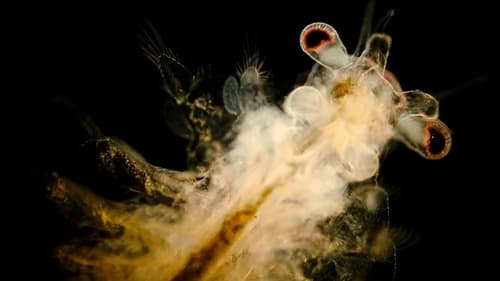
1. The Dark History of Sea Monkeys
Aired 30 August 2021 • 11 min
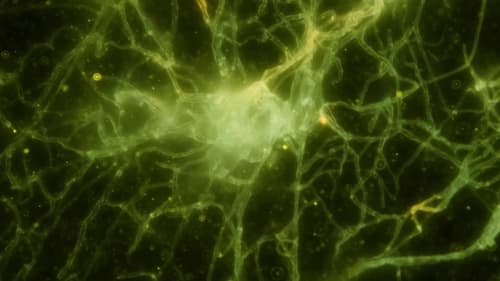
2. What Is Mold and Why Does It Love Bread?
Aired 6 September 2021 • 9 min
It's time to dive into our collection of spores, molds, and fungus!
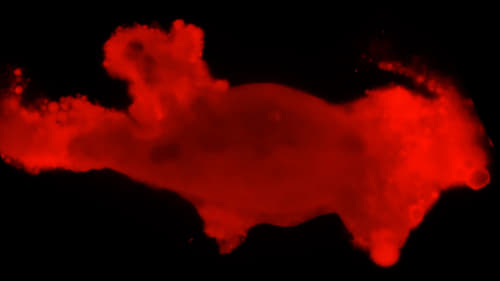
3. Why Do Microbes Explode Under UV Light?
Aired 13 September 2021 • 11 min
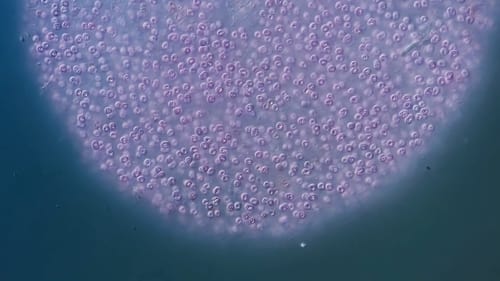
4. The Purple Bacteria That Are Afraid of Oxygen
Aired 20 September 2021 • 10 min
“But wait!” you might be saying to yourself. “How can an organism be photosynthetic and so afraid of oxygen? Doesn’t photosynthesis create oxygen?” And yes, you would be correct—most of the time...
5. Slime Tubes in Search of Sunlight
Aired 11 October 2021 • 10 min
There are only a few groups of bacteria that do this kind of gliding, but they’re found across a plethora of environments, including ponds, soil, and, surprise, in our own mouths.
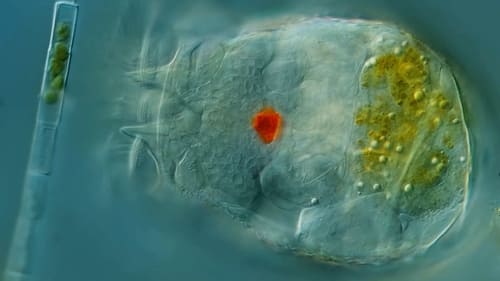
6. Journey Through the Body of a Rotifer
Aired 19 October 2021 • 11 min
Rotifers don’t really get a lot of love when it comes to microscopic animals. At least as far as the public imagination goes, the rotifer is overshadowed by its fellow metazoan of the microcosmos: the tardigrade. And we might be part of the problem.
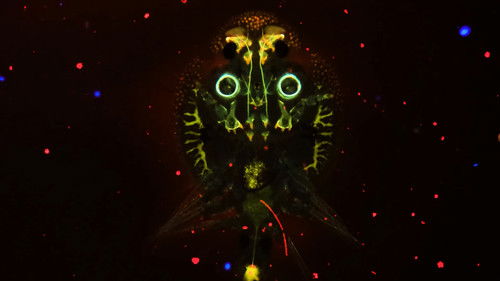
7. The Fish Sucking Lice That Aren’t Lice
Aired 25 October 2021 • 8 min
Arugulus sure know how to get under a fish's skin, literally. Fish will actually throw themselves out of the water to get an Aruglus off of their side.
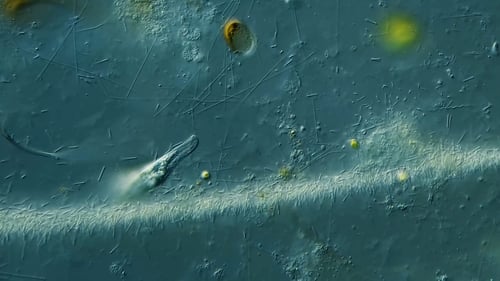
8. Tumbling Down Invisible Highways
Aired 2 November 2021 • 10 min
When we look at bacteria under a microscope, they appear to be tumbling around chaotically, but over the centuries we realized that their pathways have a purpose.
9. The Arachnid Whose Poop Is Making You Sneeze
Aired 8 November 2021 • 11 min
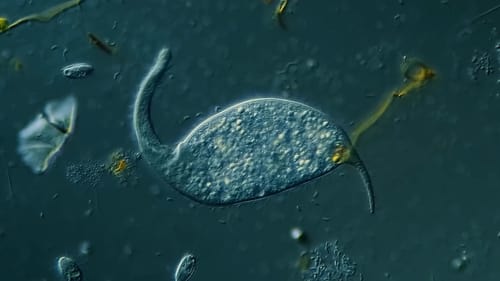
10. Dileptus: The Toxic Micro Elephant With an Insatiable Appetite
Aired 15 November 2021 • 10 min
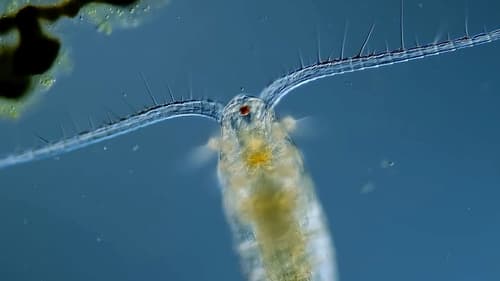
11. Copepods: The Diatom-Devouring King of Plankton
Aired 22 November 2021 • 10 min
Scientists have observed some copepods eating over 300,000 diatoms in a single day!
12. Microbes in Slow Motion
Aired 30 November 2021 • 10 min
While our journeys are often enjoyed at a slow pace, when we go just a little bit slower and look a little bit deeper there’s always something new to find.
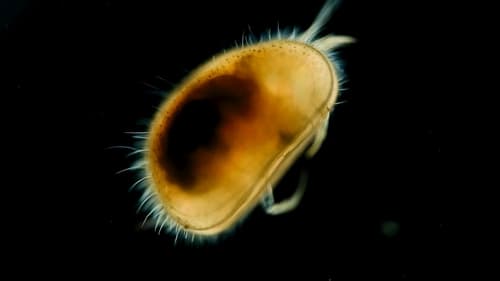
13. The Tiny Crustacean With the Oldest Penis
Aired 7 December 2021 • 10 min
14. Looking for Answers in the Skull of a Zebrafish
Aired 13 December 2021 • 10 min
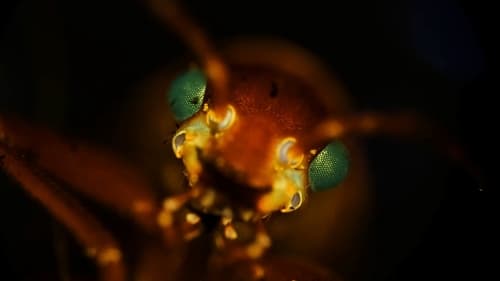
15. Creepy Crawly Close-Ups
Aired 27 December 2021 • 10 min
16. Adventures in Being Eaten
Aired 3 January 2022 • 10 min
17. The Complicated Relationships of the Microcosmos
Aired 11 January 2022 • 10 min
18. The Double Life of a Fake Jellyfish
Aired 17 January 2022 • 10 min
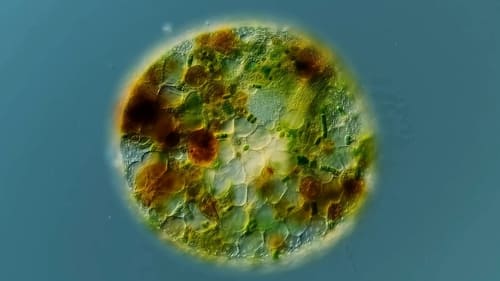
19. The Tiny Worlds Inside of Single-Celled Organisms
Aired 25 January 2022 • 10 min
We often focus on the organisms, but what about the even smaller world inside of them?

20. Microbe Hunting in Antarctica
Aired 31 January 2022 • 10 min
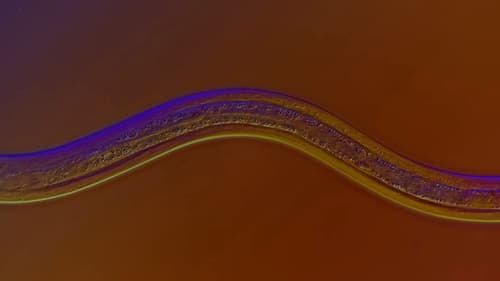
21. Nematodes: The Worm That Sculpted The World
Aired 14 February 2022 • 10 min
When it comes to the muses of the animal kingdom, the nematode seems like an unlikely well of inspiration, but over the past century, they’ve become one nonetheless.

22. Aeolosoma: Polka-Dotted Vacuum Worms
Aired 21 February 2022 • 10 min
Worms, despite their seemingly simple bodies, are a diverse bunch. Which is why we thought that for today, it might be fun to visit with a less famous worm, and like one of those relatives you don’t know very much about, but every time you see them, there’s a new, strange story to unpack.
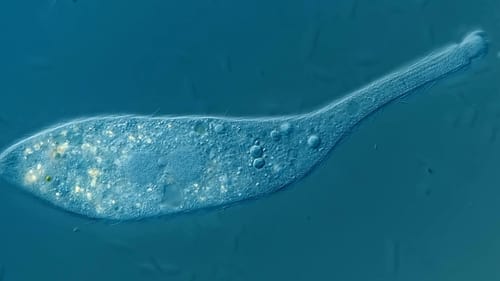
23. What Even Is A Species?
Aired 28 February 2022 • 10 min
If you know about the species Lacrymaria olor, then you know what you’re getting when you see it under a microscope. It has a distinct shape, a distinct way of life—the combination of its own genetics and its surrounding environment.

24. The Spatula-Shaped Ciliate Family
Aired 7 March 2022 • 10 min
The family Spathidiidae is made up of around 20 genera, which encompass around 250 known species. And there’s a lot of variety in the Spathidiid family to sort through.