Royal Institution Christmas Lectures — Season 42
About this season
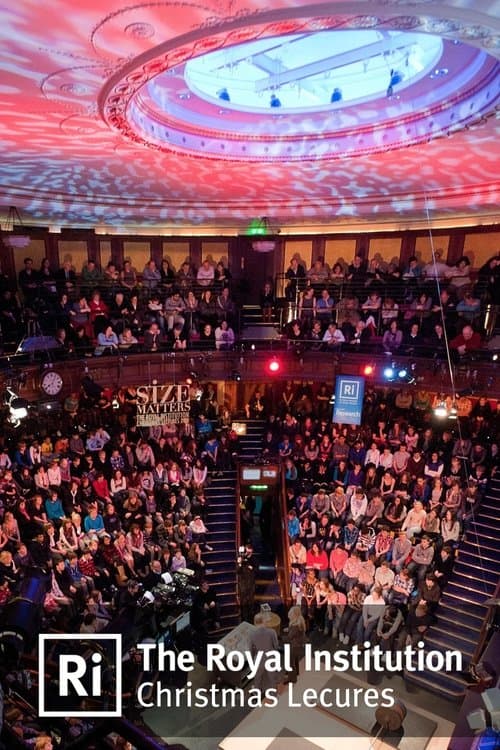
The Royal Institution Christmas Lectures are a series of lectures on a single topic, which have been held at the Royal Institution in London each year since 1825. The lectures present scientific subjects to a general audience, including young people, in an informative and entertaining manner. Michael Faraday initiated the first Christmas Lecture series in 1825. This came at a time when organised education for young people was scarce. Faraday presented a total of nineteen series in all.
Episodes (5)
1. Peak Performance
Aired 24 December 2007 • 36 min
Dr Montgomery examines the theme of respiration. Just like racing car engines, humans use oxygen to burn fuels and release the energy that powers each function in every cell. So how do we get the oxygen from the air to the cell, and what happens when oxygen levels in the air are dramatically reduced?
2. Completely Stuffed
Aired 25 December 2007 • 36 min
Tonight’s lecture examines how food is processed and used by our cells. The food we eat contains the fuel we need to power our bodies. But what are these fuels? How do we get them from our dinner plates to our cells? And what other things are there in the food apart from fuel? Dr Montgomery explains what happens to the fuel and oxygen in a cell, describing how food is converted into an energy currency to be spent in different ways around the body.
3. Grilled and Chilled
Aired 26 December 2007 • 36 min
How the body copes with extremes of temperature. Humans live in some extraordinary places, from the middle of the Sahara desert to the frozen wastelands of Alaska. Take a snake to the North Pole, and it will stop moving in minutes; take a cat to the desert and it will be dead in hours. So how can some humans survive such extremes, and could anyone?
4. Fight, Flight and Fright
Aired 27 December 2007 • 36 min
The focus of tonight’s presentation is stress and exertion. When faced with a threat like the approach of a predator, a human’s natural response is to turn and flee. Yet a soldier facing enemy guns can choose to stand and fight. Such a decision and the subsequent physical work required involves burning a huge amount of energy. So how does the body deliver such a large amount of energy so rapidly? What happens to the heart, lungs and blood vessels used to transport the energy, and how is it used once it is delivered?
5. Luck, Genes and Stupidity
Aired 28 December 2007 • 36 min
Tonight’s presentation examines the part genetics has to play in our ability to survive. Is everyone’s ability to survive the same? Faced with the same perils, would we all cope just as well? And if not, is it down to luck or relative toughness, or is there such a thing as the will to live?